September 3, 2026
QF-JX-300 ICU Bridge Commissioned at Lu'an People's Hospital — Ceiling-Mounted Service Bridge Strengthens Critical-Care Infrastructure in Western Anhui
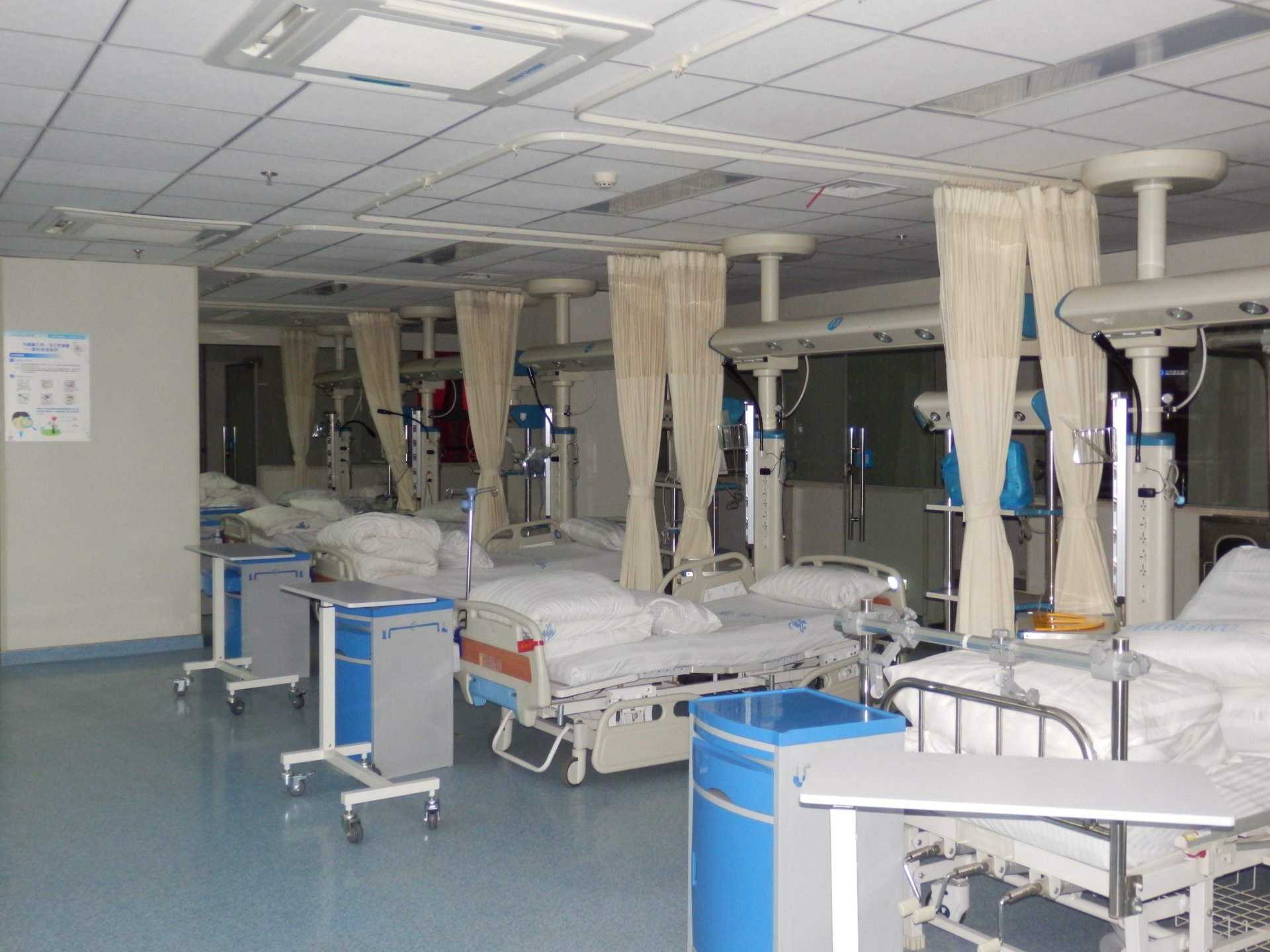
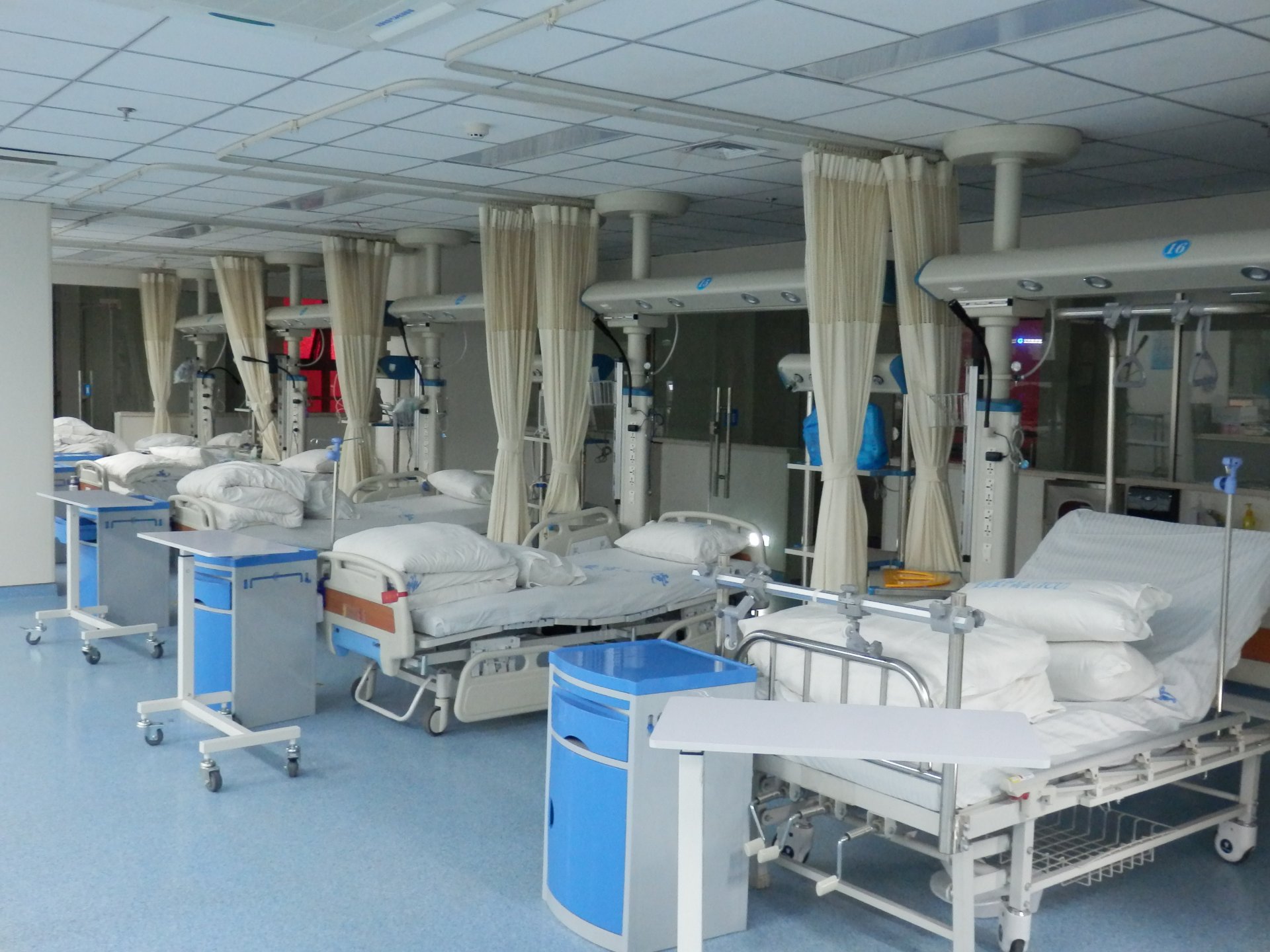
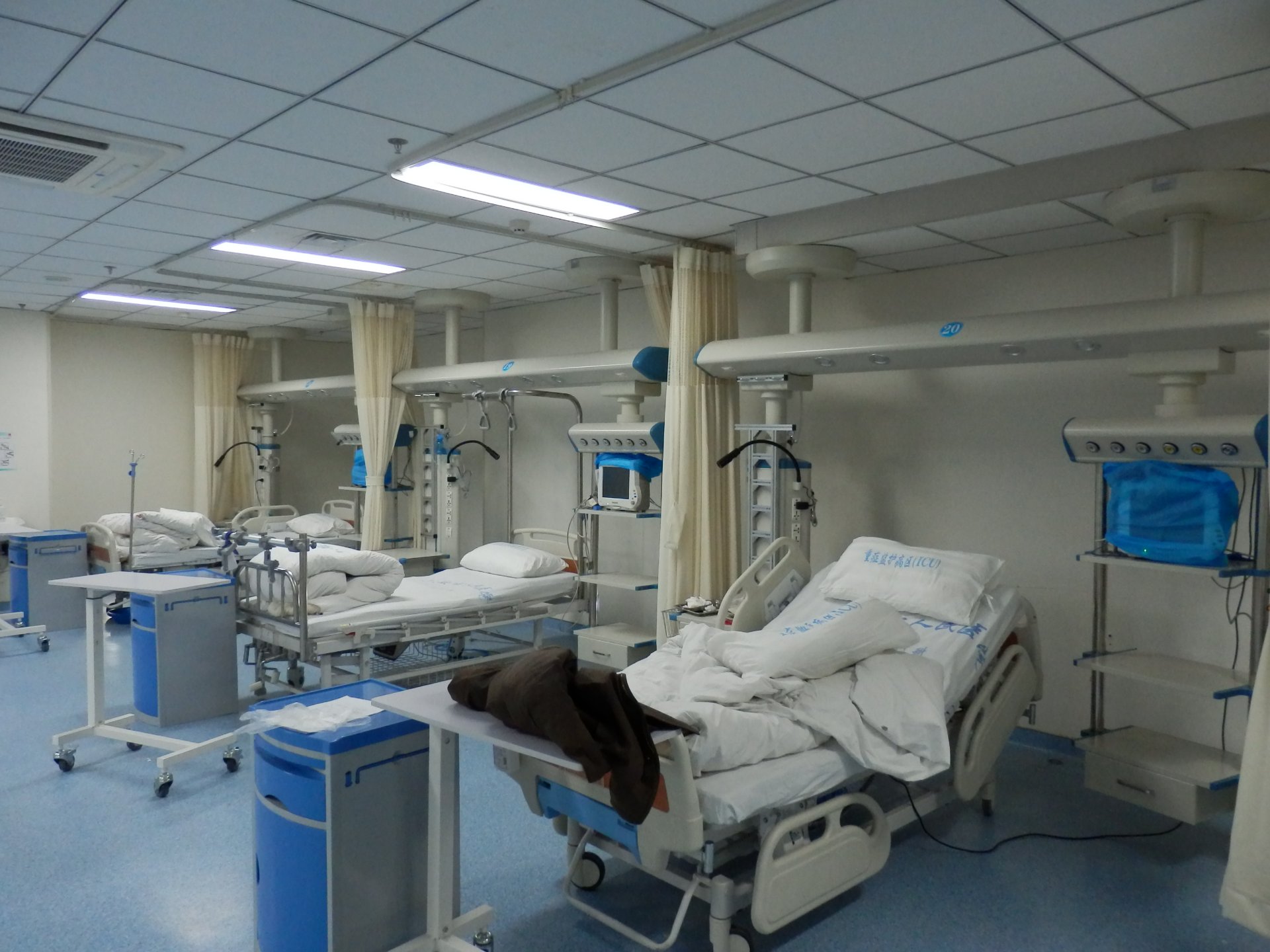
LU'AN, Anhui Province, China — The intensive care unit (ICU) of Lu'an People's Hospital (Anhui Medical University Affiliated Lu'an Hospital) has officially commissioned a fleet of QF-JX-300 ICU Bridges, a ceiling-mounted service bridge designed to consolidate medical gases, electrical power, network data and nurse-call connectivity into a single overhead platform above each patient bed. The new installation marks a major upgrade to the hospital's critical-care infrastructure and brings modern ICU workspace design to one of the largest tertiary referral centers in western Anhui Province.
Hospital Background: Lu'an People's Hospital at a Glance
Lu'an People's Hospital (安徽医科大学附属六安医院) is a Tier-3 Class-A general public hospital located in Lu'an City, western Anhui Province. Founded in August 1949, the hospital has grown over more than seven decades into a regional referral center that integrates medical care, teaching, research, emergency response, preventive health and rehabilitation services.
In 2021, the hospital became a directly affiliated teaching hospital of Anhui Medical University. It is now nationally accredited as one of the first batch of national standardized residency training bases, a national general-practice training base, a national clinical pharmacist training base, a national clinical drug trial institution (GCP), and a national advanced stroke center, trauma center, and chest-pain center. The hospital has been recognized with designations including "National Baby-Friendly Hospital," "National Top-100 Trusted Hospital for Patients," and "National Model Workers' Home."
Today, Lu'an People's Hospital operates across three campuses (main hospital, East Campus and West Campus) supported by five outpatient departments, with a total building area of 440,000 square meters. The hospital runs 35 clinical and technical departments across 93 open wards, with a configured capacity of 3,000 beds. Annual throughput reaches approximately 2.4 million outpatient visits, 145,000 inpatient discharges and 68,000 surgical procedures, including more than 10,000 Class-4 (highest-complexity) surgeries each year.
The ICU at Lu'an People's Hospital: A Regional Critical-Care Center
The Intensive Care Unit (ICU) of Lu'an People's Hospital was established in May 2004 and has since developed into one of the leading critical-care programs in the region. It is a designated Sixth-Five-Year Plan Key Clinical Specialty of Lu'an City (re-certified in 2023), a doctoral training site of Anhui Medical University, a master's-degree training site for Bengbu and Wannan Medical Universities, and a post-doctoral research station. The department also serves as a National Critical-Care Medicine Residency Training Base (the first cohort certified in 2020) and as the Provincial ICU Specialist Nurse Clinical Practice Base for Anhui Province (certified 2023).
The ICU operates two campuses — the main hospital campus and the West Campus — with 50 dedicated ICU beds across the two wards, plus a 23-bed High-Dependency Unit (HDU) rehabilitation transitional ward established on 26 December 2024 on the West Campus. The combined critical-care footprint therefore reaches 73 beds, supported by 84 full-time medical and nursing staff. The unit's clinical scope includes ECMO, mechanical ventilation, CRRT (continuous renal replacement therapy), bedside IABP, fiber-optic bronchoscopy, PiCCO hemodynamic monitoring, prone-position ventilation, parenteral and enteral nutrition support, and other advanced critical-care techniques.
ICU Pain Points Before the ICU Bridge Installation
Like many high-volume tertiary ICUs in regional Chinese hospitals, the Lu'an People's Hospital ICU had previously relied on a combination of wall-mounted medical-gas terminals, portable oxygen cylinders and bedside equipment trolleys to support patients. As clinical demand grew, the team identified several recurring pain points that constrained daily ICU operations and limited the unit's ability to scale to its new 73-bed footprint:
- Congested head-of-bed zones. Ventilators, infusion pumps, syringe drivers, multi-parameter monitors, suction devices, gas hoses and power cords competed for a small area at the head of every bed, slowing clinical setup and complicating routine nursing tasks such as airway care, line access and patient turning.
- Trip risks across the bedside. Power cords and gas hoses running across the floor between wall outlets and the bed created avoidable trip hazards for staff and patient families moving through the ward.
- Slow response during resuscitation. Reaching the wall-mounted oxygen and suction terminals required pulling the bed away from the wall or stretching tubing across the patient, costing valuable seconds during emergency interventions such as intubation, central-venous access and rapid-sequence induction.
- Limited equipment integration. Monitors, infusion pumps and ventilators had to be stacked on independent trolleys, with no single overhead structure to organize them, leading to cable tangles and sterility-management challenges.
- Inefficient use of ICU floor space. Floor-mounted equipment columns and bedside carts reduced the effective clinical workspace for the nursing team and complicated patient transfer, family visits and bedside ultrasound.
- Rigid bedhead layout. Fixed wall outlets meant the bed could not be rotated or repositioned freely to optimize patient access, natural light or procedural angle without re-routing cables and gas hoses each time.
To resolve these pain points, the hospital commissioned a ceiling-mounted ICU bridge system as the centerpiece of its ICU modernization plan. After technical evaluation of multiple options on the market, the procurement team selected the QF-JX-300 ICU Bridge as the overhead service bridge platform for the unit.
About the QF-JX-300 ICU Bridge
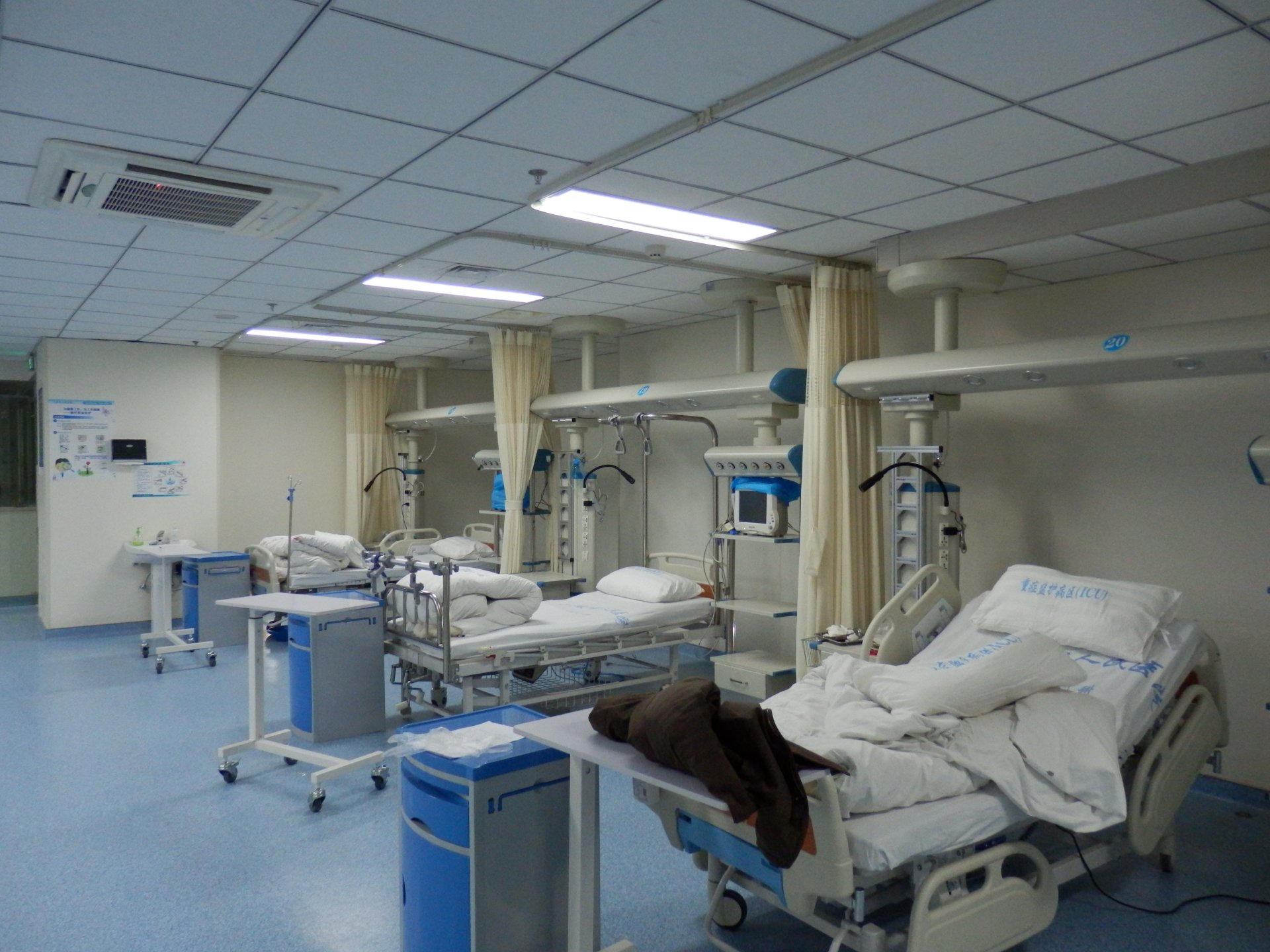
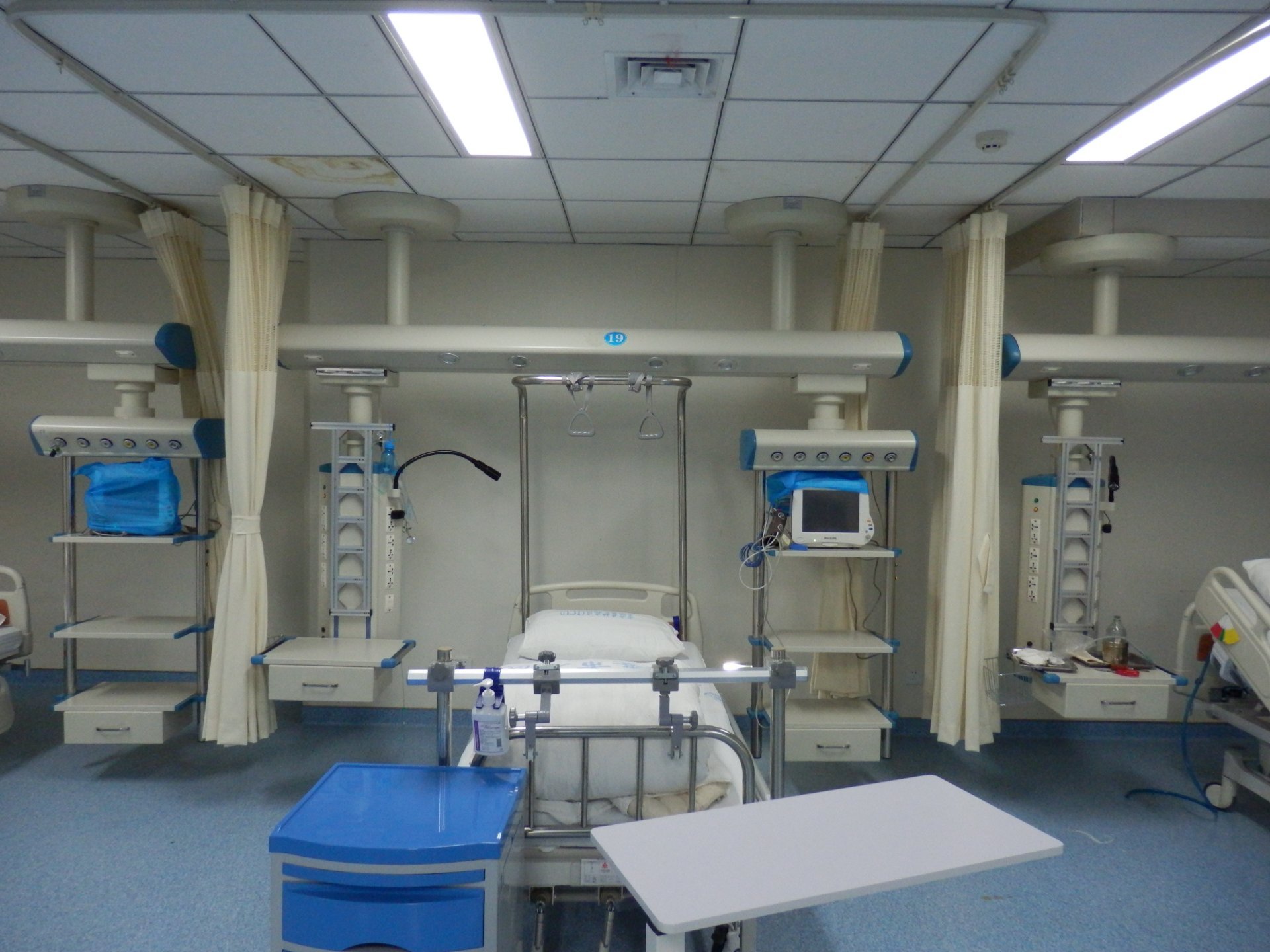
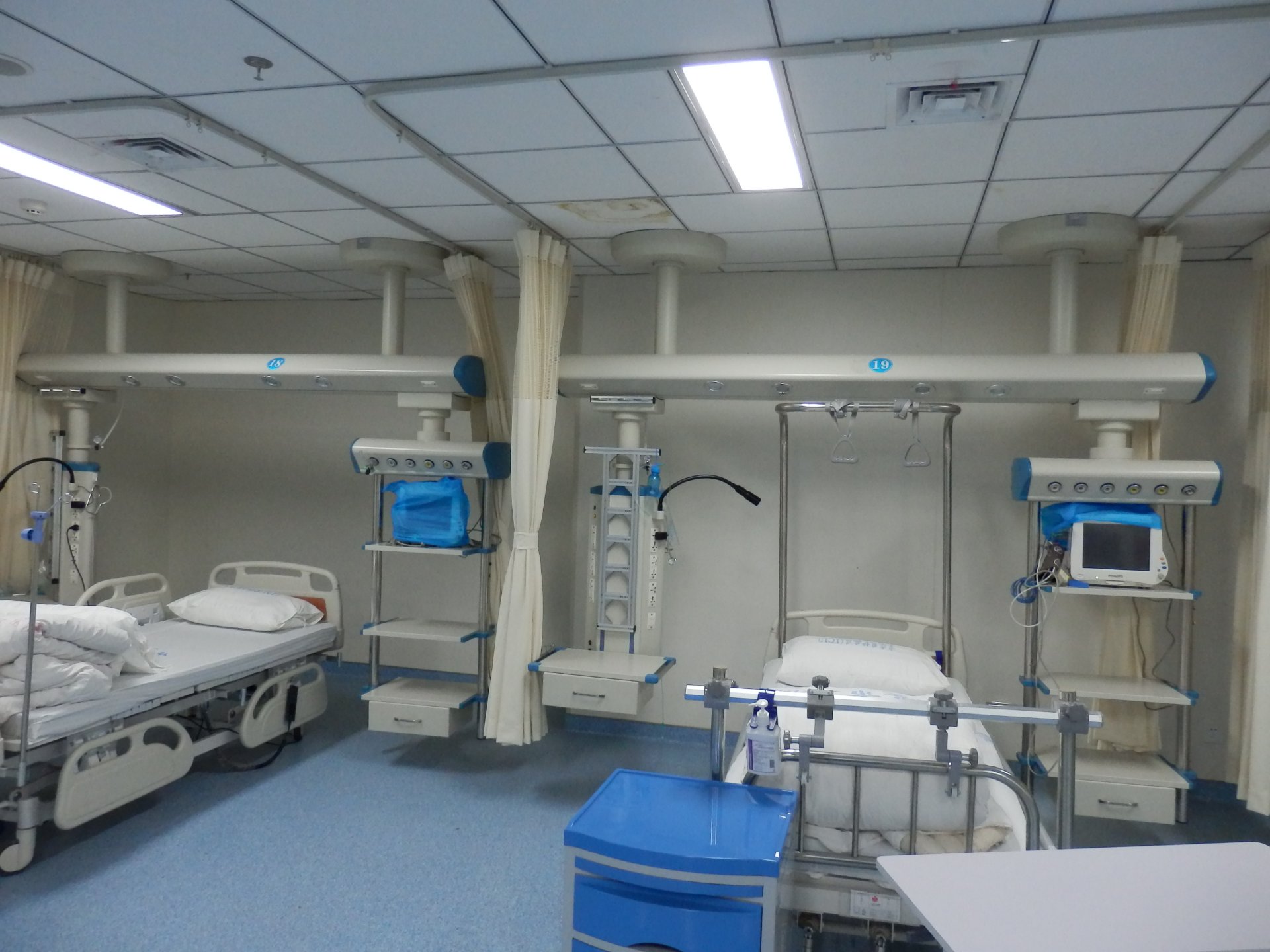
The QF-JX-300 ICU Bridge is a horizontal ICU overhead service bridge purpose-built for adult, pediatric and neonatal intensive care units, emergency resuscitation rooms and high-dependency care environments. It spans the patient bed from the ceiling to deliver the full suite of medical-gas delivery terminals (oxygen, medical air, suction and optional nitrous oxide), electrical power outlets, network data ports and nurse-call connections directly above the head of the bed. The bridge consolidates the bedside workspace that was previously scattered across wall terminals, floor cables and portable cylinders into one ergonomic, height-adjustable overhead platform.
Key specifications of the QF-JX-300 ICU Bridge deployed at Lu'an People's Hospital:
- Bridge length: 2200–3200 mm, configurable to match the hospital's bed spacing and ceiling layout.
- Movable length (dry zone): 550 mm of horizontal travel for clean-equipment positioning.
- Movable length (wet zone): 550 mm of horizontal travel for fluid-handling equipment.
- Rotation angle (dry zone): 0–350°, allowing clinicians to swing the dry platform out of the way during procedures.
- Rotation angle (wet zone): 0–350°, matching the dry zone for synchronized repositioning.
- Bearing capacity (bridge): 800 kg total, accommodating multiple infusion pumps, monitors and ventilator accessories.
- Bearing capacity (dry zone): 350 kg for clean-equipment shelves and monitor mounts.
- Bearing capacity (wet zone): 350 kg for suction jars, drainage and fluid-handling equipment.
Typical applications include adult ICUs, pediatric ICUs, neonatal ICUs (NICU), emergency resuscitation rooms and high-dependency care environments. The optional dry/wet zone separation supports physical isolation between clean electronic equipment (monitors, infusion pumps) and fluid-handling devices (suction, drainage), helping reduce cross-contamination risk in critical care.
Clinical Advantages: How the QF-JX-300 ICU Bridge Solves Real ICU Pain Points
The QF-JX-300 ICU bridge delivers four interlocking clinical advantages that directly address the day-to-day pain points identified by the Lu'an ICU team:
1. Overhead Space Utilization — Reclaiming the Head-of-Bed Zone
By relocating medical-gas terminals, electrical sockets and equipment shelves to a single ceiling-mounted bridge, the system frees the floor and the bedhead for clinical activity. The nursing team can now perform suctioning, oral care, line access and patient turning without working around floor cables, portable cylinders or overcrowded trolleys — a major improvement in ICU ergonomics during high-acuity care.
2. Integrated Equipment Mounting — One Platform for the Critical-Care Workstation
The bridge's dry zone is engineered to carry monitors, infusion pumps and syringe drivers, and the wet zone is built for suction canisters, drainage and respiratory secretion handling. With an 800 kg overall bearing capacity (350 kg per zone), the bridge consolidates the full bedside critical-care toolkit onto a single overhead structure, eliminating cable tangles and giving every device a stable, ergonomic position within the clinician's reach.
3. Faster Resuscitation Response — Gas and Power Right Above the Patient
Because medical gases and power are delivered from above the bed, clinicians no longer need to reposition the patient to reach wall outlets during an emergency. Intubation, central-venous catheterization, ventilator connection and rapid-sequence induction can all proceed with the bridge's terminals positioned directly over the patient's head, saving critical seconds during cardiopulmonary resuscitation and other time-sensitive interventions.
4. Improved Nursing Efficiency and Infection Control
Ceiling-mounted delivery eliminates trip hazards from floor cables and creates a cleaner, more disinfection-friendly bedspace. The smooth medical-grade surfaces of the QF-JX-300 can be wiped down quickly between patients, supporting the hospital's infection-prevention protocols for ICU environments. The 0–350° rotation of each zone also allows the bridge to be swung aside during procedures, family visits and bedside imaging, while the 550 mm horizontal travel of each zone gives the nursing team flexible, on-demand positioning throughout a shift.
Hospital Endorsement: Clinical Leadership Feedback
Following on-site installation and full functional commissioning, the ICU leadership at Lu'an People's Hospital reviewed the QF-JX-300 ICU bridge system against the original specification. The feedback was strongly positive across all evaluation criteria:
"The ICU bridge has transformed how our critical-care team works at the bedside. The dry/wet zone layout keeps monitors and infusion pumps separate from suction and drainage equipment, which makes the workspace much cleaner and safer. Our nurses can now reach every gas and power outlet directly above the patient without stretching tubing across the bed, and the rotation of each zone means we can quickly reposition the bridge during intubation, central-line placement and family visits. Combined with the additional HDU ward we opened in late 2024, the QF-JX-300 platform gives us a modern, integrated critical-care infrastructure that supports the kind of complex cases our regional referral center is expected to handle."
The hospital's evaluation specifically highlighted four points:
- Workspace ergonomics: Significant improvement in head-of-bed organization and reduction of cable congestion around the patient.
- Equipment integration: Monitors, infusion pumps and suction devices now share a single overhead platform with predictable, repeatable positioning.
- Resuscitation response: Faster access to oxygen, suction and power during emergency scenarios, supporting better time-to-intervention metrics.
- Installation and commissioning: Clean, well-coordinated on-site installation with comprehensive acceptance training for the ICU nursing and biomedical-engineering teams.
What This Upgrade Means for the Hospital and the Region
Beyond the technical specifications, the QF-JX-300 ICU bridge installation delivers tangible value across three dimensions of clinical and operational performance:
1. Stronger Critical-Care Capacity for Western Anhui
Combined with the hospital's expanded footprint — three campuses, 93 wards, 3,000 beds, 2.4 million annual outpatient visits — the new ICU bridge platform allows Lu'an People's Hospital to deliver a higher standard of critical care to the population of Lu'an City and the surrounding Dabie Mountain region. The 73-bed ICU/HDU configuration (50 ICU + 23 HDU beds) is now supported by modern overhead service infrastructure at every bed position.
2. Better Outcomes Through Reduced Clinical Friction
Reduced clinical friction at the bedside — faster access to gases and power, better-organized equipment, fewer trip risks, smoother disinfection workflows — translates directly into better clinical outcomes for the hospital's most severely ill patients, particularly those requiring prolonged mechanical ventilation, continuous renal replacement therapy (CRRT) or post-operative hemodynamic monitoring.
3. Future-Ready Infrastructure for Smart ICU Development
The QF-JX-300's integrated network ports and equipotential grounding points provide a stable foundation for future digital-ICU expansion, including centralized patient monitoring, AI-assisted early-warning systems and telemedicine consultations with tertiary academic centers. As the hospital continues to develop its critical-care service line — including the new HDU ward opened in late 2024 — the ceiling-mounted bridge platform will scale with the team's evolving clinical needs.
About Lu'an People's Hospital
Lu'an People's Hospital (安徽医科大学附属六安医院) is a Tier-3 Class-A general public hospital founded in August 1949 in Lu'an City, Anhui Province, China. Affiliated with Anhui Medical University since 2021, the hospital is a nationally accredited residency training base, a national advanced stroke center, a national advanced trauma center and a national chest-pain center. With 3,000 beds, 35 clinical departments, 93 open wards, three campuses and five outpatient departments, the hospital serves as the leading critical-care referral hospital in the Dabie Mountain area of western Anhui, with an annual throughput of approximately 2.4 million outpatient visits, 145,000 inpatient discharges and 68,000 surgical procedures.
The hospital's Intensive Care Unit is a designated Lu'an City Key Clinical Specialty, a doctoral training site of Anhui Medical University, a National Critical-Care Medicine Residency Training Base and the Anhui Provincial ICU Specialist Nurse Clinical Practice Base. With 73 ICU/HDU beds and 84 medical and nursing staff, the unit provides advanced critical-care services including ECMO, CRRT, mechanical ventilation, PiCCO hemodynamic monitoring and fiber-optic bronchoscopy.
About the QF-JX-300 ICU Bridge
The QF-JX-300 ICU Bridge is a ceiling-mounted ICU service bridge designed to consolidate medical-gas delivery, electrical power, network data and nurse-call connectivity into a single overhead platform above each patient bed. With a bridge length of 2200–3200 mm, 0–350° rotation on both dry and wet zones, 550 mm horizontal travel per zone, and an 800 kg overall bearing capacity, the QF-JX-300 is engineered for modern adult, pediatric and neonatal intensive care units, emergency resuscitation rooms and high-dependency care environments. The optional dry/wet zone separation supports physical isolation between clean equipment and fluid-handling devices, helping to reduce cross-contamination in critical care.
This press release documents the successful installation and clinical commissioning of QF-JX-300 ICU bridge units at Lu'an People's Hospital, Lu'an City, Anhui Province, China. Quotations reflect the on-site evaluation provided by the hospital's ICU leadership following commissioning. All hospital background information is sourced from the official Lu'an People's Hospital website (layy.cn) and the hospital's published departmental information.