Showing 10 of 39 news articles — Page 1 of 4

October 5, 2026

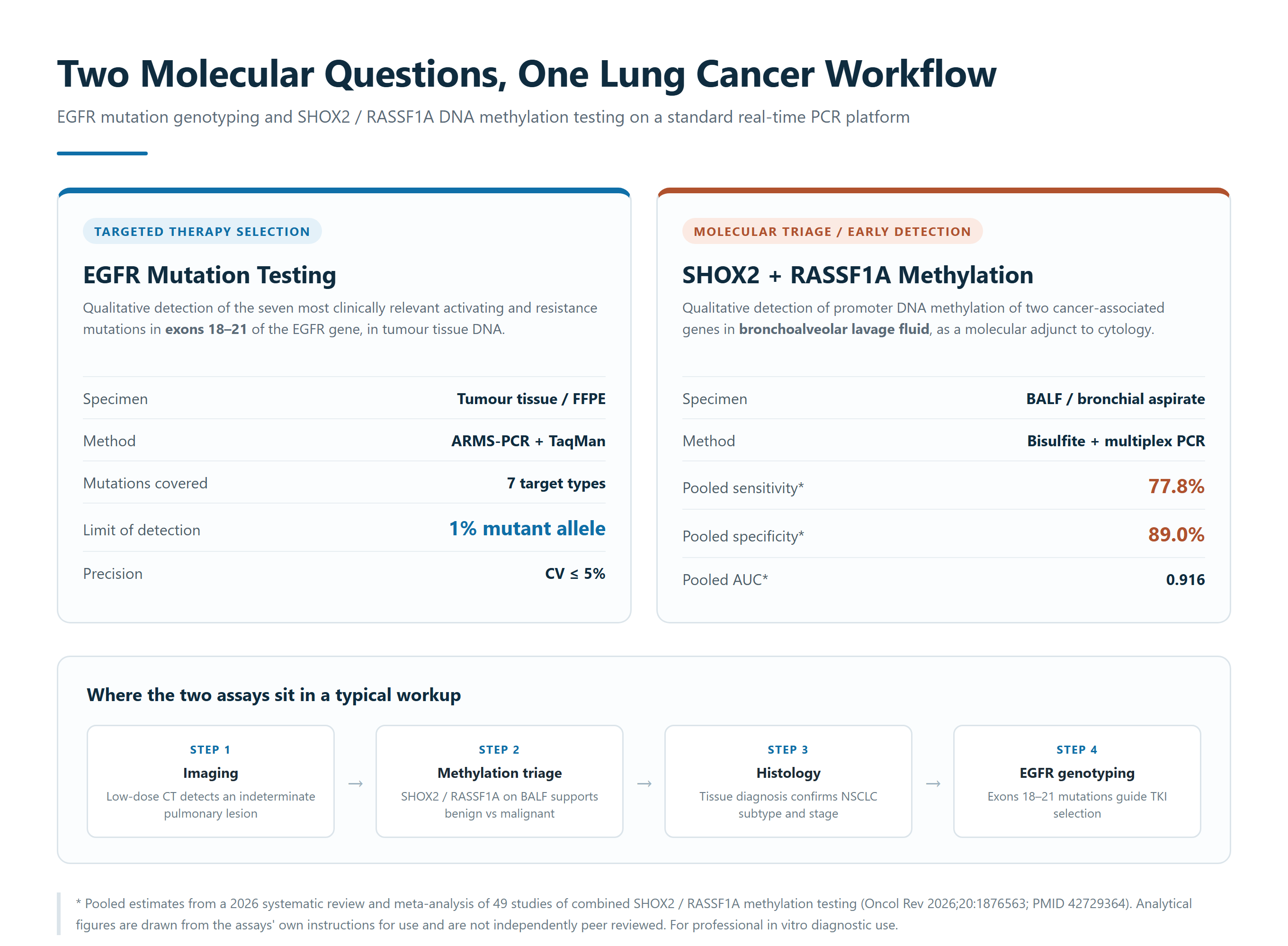
EGFR Mutation Genotyping and SHOX2/RASSF1A Lung Cancer Methylation Testing: A Two-Assay Molecular Workflow on Real-Time PCR
Share this article
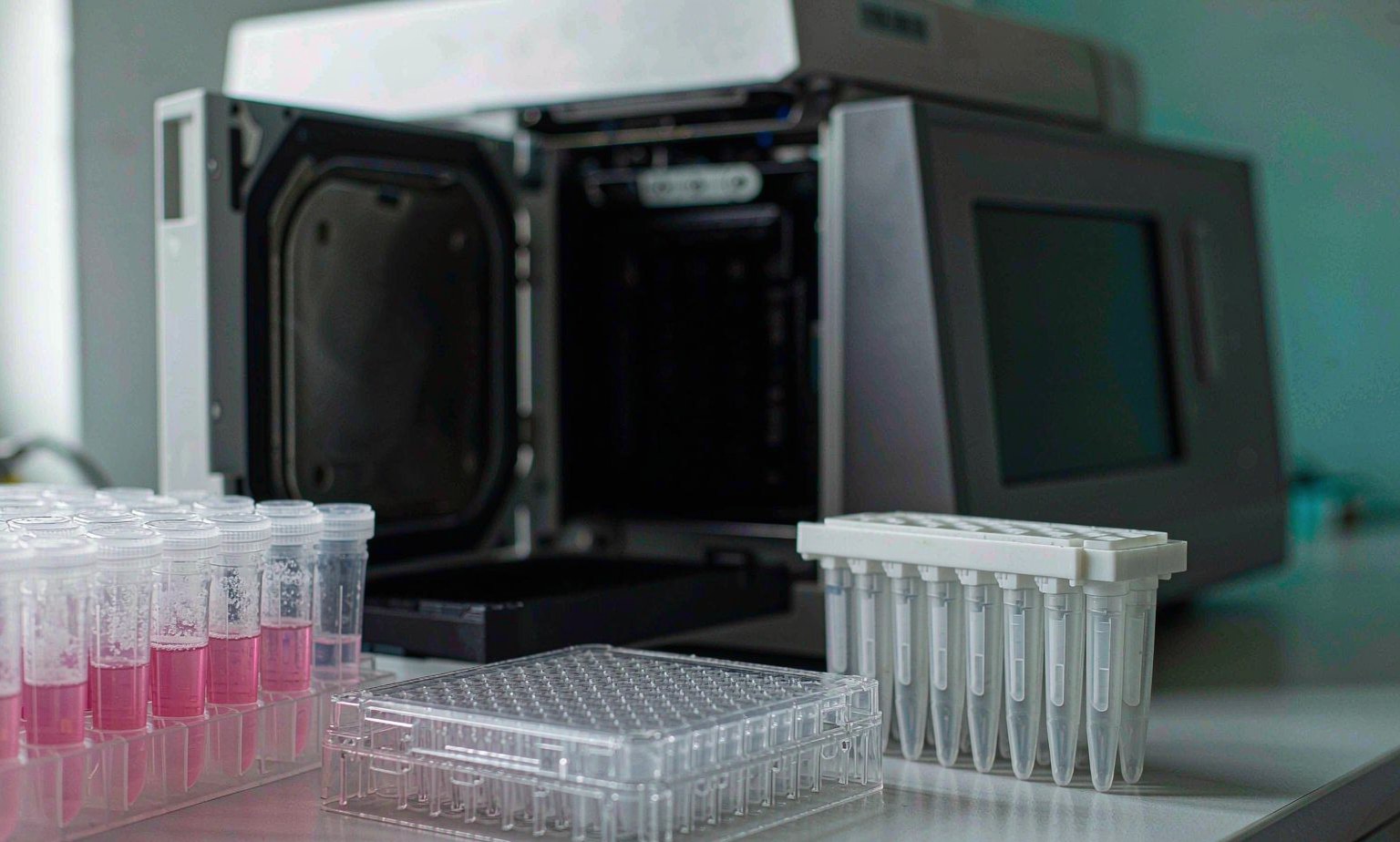
Real-time PCR thermal cycler and reagent tubes on a molecular diagnostics laboratory bench used for EGFR mutation genotyping and lung cancer DNA methylation testing

EGFR Mutation Genotyping and SHOX2 / RASSF1A Lung Cancer Methylation Testing: A Two-Assay Molecular Workflow on Real-Time PCR Lung cancer in never-smoking populations has become one of the more closely studied puzzles in thoracic oncology, and one line of evidence points to a disease that is molecularly distinct from the smoking-associated form. In 2020, a study published in Cell set out to characterise that disease directly. The researchers behind “Proteogenomics of Non-smoking Lung Cancer in East Asia Delineates Molecular Signatures of Pathogenesis and Progression” conducted a deep proteogenomic analysis of a prospectively collected cohort of lung adenocarcinoma patients in Taiwan, representing early-stage, predominantly female, non-smoking disease. Their integrated approach combined genomic, proteomic and phosphoproteomic profiling of tumour tissue to define the molecular attributes of this population and to trace the hallmarks of tumour progression [4]. The central finding concerned driver mutations. EGFR mutations were the predominant driver alteration in this never-smoker cohort — the study's own summary describes the disease as being characterised by “predominant EGFR mutations,” in contrast to the far smaller share of EGFR-driven tumours found in smoking-associated lung cancer. Mutational signature analysis further revealed age- and gender-related mutagenesis mechanisms: a high prevalence of an APOBEC mutational signature in younger females, and an over-representation of environmental-carcinogen-like mutational signatures in older females. A proteomics-informed classification distinguished the clinical characteristics of early-stage patients with EGFR mutations, and integrated protein network analysis nominated candidate biomarkers for patient stratification

Read More
September 29, 2026

Red Sun Medizone Launches CE-Marked HPV 5+9 Genotyping Assay Detecting 14 High-Risk HPV Types with Individual Genotyping of HPV16, 18, 52, 33 and 58 for Cervical Cancer Screening

Share this article
Molecular diagnostics laboratory bench with a 96-well real-time PCR plate, PCR tube strips in a rack and liquid cytology sample vials containing preservation fluid for high-risk HPV genotyping in cervical cancer screening

HPV 5+9 Genotyping Assay: Real-Time PCR Detection of 14 High-Risk HPV Types with Individual Genotyping of HPV16, 18, 52, 33 and 58 for Primary Cervical Cancer Screening and Triage HONG KONG, China — September 29, 2026 — Red Sun Medizone today announced the availability of a CE-marked in vitro diagnostic (IVD) real-time PCR kit that detects 14 high-risk human papillomavirus (HPV) types in a single analysis. The assay individually identifies HPV16, HPV18, HPV52, HPV33 and HPV58 while concurrently detecting the remaining nine high-risk types — HPV31, 35, 39, 45, 51, 56, 59, 66 and 68 — as a group, from cervical exfoliated cells collected in cell preservation solution. A β-globin internal control monitors the entire process from extraction to amplification. In a comparative study of 1,000 samples across three provincial hospitals using HPV L1 region DNA sequencing as the reference method, the assay achieved a kappa value of 1, with 100% positive, 100% negative and 100% total coincidence. Key facts at a glance Analytes: 14 high-risk HPV types in one analysis — individually genotyped: HPV16, HPV18, HPV52, HPV33, HPV58; detected as a group: HPV31, HPV35, HPV39, HPV45, HPV51, HPV56, HPV59, HPV66, HPV68 Specimen: cervical exfoliated cells collected with an endocervical brush into cell preservation solution Method: real-time PCR amplification of HPV type-specific and β-globin target sequences with fluorescent-labelled oligonucleotide probes, detected across four dyes Two-tube design: Tube A — HPV16 (VIC), HPV18 (ROX), HPV52 (FAM), β-globin (CY5); Tube B — HPV33 (VIC), HPV58 (ROX), the nine pooled high-risk types (FAM), β-globin (CY5) Internal control: β-globin monitors extraction, amplification and inhibition across the whole test process Limit of detection: ≤ 100 copies pe

Read More
September 29, 2026

Red Sun Medizone Launches CE-Marked BRAF V600E Mutation PCR Kit for Thyroid Nodule Triage, Colorectal Prognosis and BRAF-Directed Therapy Selection

Share this article
Pathology laboratory bench with a fine-needle aspiration cytology slide under a light microscope, paraffin-embedded tissue blocks and a real-time PCR instrument used for BRAF V600E mutation testing

BRAF V600E Mutation PCR Assay: Single-Reaction ARMS Real-Time PCR Genotyping of Tumour Tissue for Thyroid Nodule Triage, Colorectal Cancer Prognosis and BRAF-Directed Therapy Selection HONG KONG, China — September 29, 2026 — Red Sun Medizone today announced the availability of a CE-marked in vitro diagnostic (IVD) real-time PCR kit for the detection of the BRAF V600E mutation (exon 15, c.1799T>A, p.Val600Glu) in tumour tissue. A single mutation-specific reaction, read against an external-standard reaction from a two-tube strip, delivers a result in one laboratory day on a standard real-time PCR platform. In a three-centre registration study of 1,333 thyroid, colorectal and lung cancer specimens compared against DNA sequencing, the assay achieved 100% sensitivity, 98.75% specificity and a kappa agreement of 0.99. Key facts at a glance Analyte: BRAF V600E — exon 15, nucleotide 1799 T>A, p.Val600Glu Specimen: formalin-fixed paraffin-embedded (FFPE) sections containing thyroid, colorectal or lung lesions, with block age not exceeding 3 years; fresh or frozen tissue preferred where available Chemistry: ARMS allele-specific PCR with TaqMan hydrolysis probes and HotStart Taq DNA polymerase Detection channels: FAM (mutation and external-standard signal); HEX or VIC (internal control) Reporting rule: ΔCt = [mutation Ct] − [external-standard Ct]; positive when the amplification curve is S-shaped and ΔCt ≤ 10 — a single cut-off Limit of detection: 1% mutant allele against a 30 ng/µL wild-type genomic background Repeatability: Ct coefficient of variation ≤ 5% across ten parallel replicates Clinical verification: 1,333 thyroid, colorectal and lung cancer specimens across three tertiary referral centres against DNA sequencing — sensitivity 100%, specificity 98.75%, total

Read More
September 29, 2026

Red Sun Medizone Launches CE-Marked KRAS Mutation PCR Kit for Codon 12 and 13 Genotyping to Guide Anti-EGFR Therapy Decisions in Colorectal Cancer

Share this article
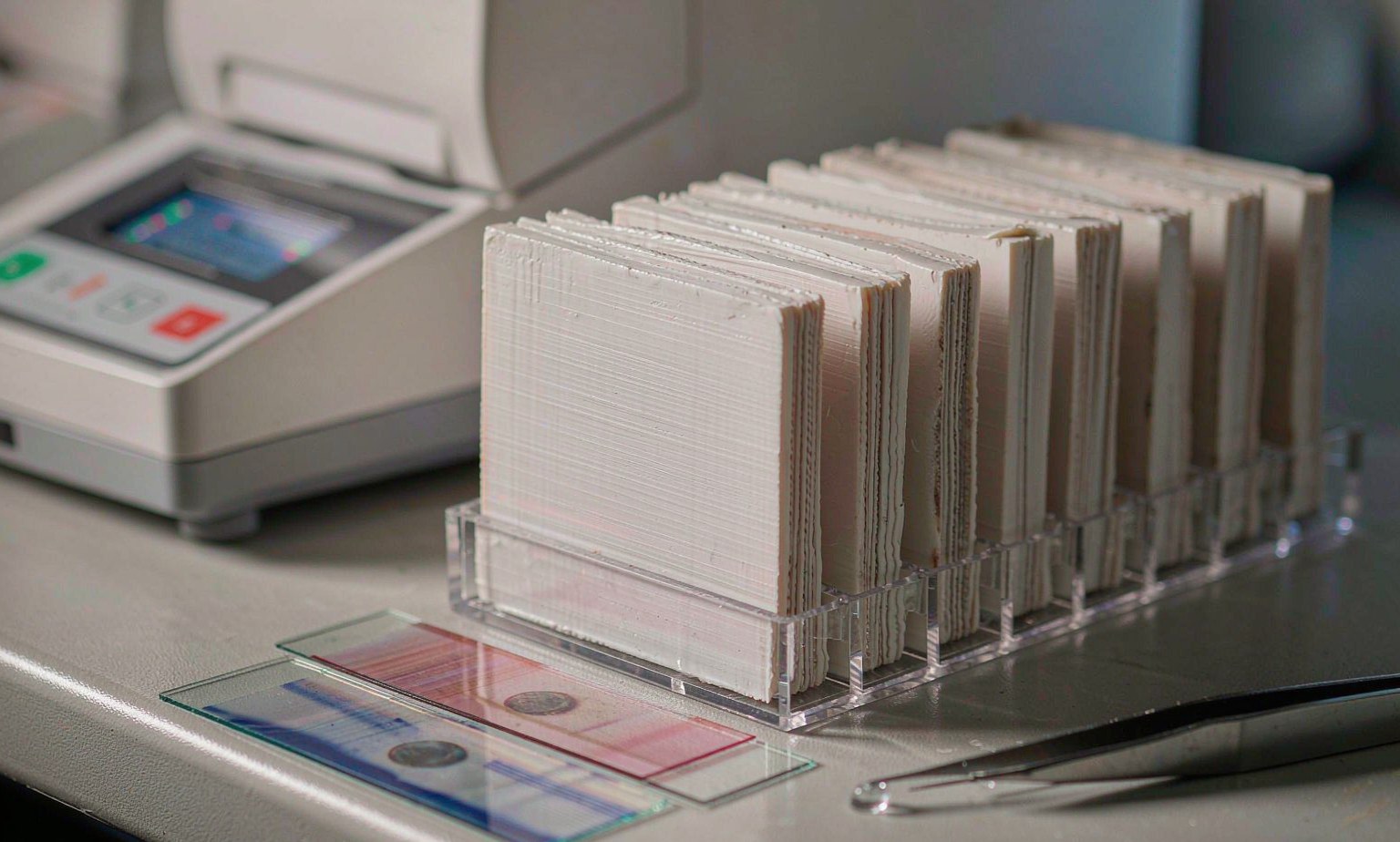
Molecular pathology laboratory bench with a 96-well real-time PCR plate, paraffin-embedded colorectal tumour tissue blocks and stained histology slides used for KRAS codon 12 and 13 mutation testing

KRAS Codon 12/13 Mutation PCR Panel: Seven-Reaction ARMS Real-Time PCR Genotyping of Tumour Tissue to Determine Anti-EGFR Monoclonal Antibody Eligibility in Colorectal Cancer HONG KONG, China — September 29, 2026 — Red Sun Medizone today announced the availability of a CE-marked in vitro diagnostic (IVD) real-time PCR kit for the detection of the most prevalent KRAS mutations in codons 12 and 13 in tumour tissue. The kit is intended to identify colorectal cancer patients whose tumours carry a KRAS mutation, a negative predictive finding for anti-EGFR monoclonal antibody therapy. Seven mutation-specific reactions — Gly12Asp, Gly12Val, Gly12Ser, Gly12Cys, Gly12Ala, Gly12Arg and Gly13Asp — are read from a single 8-tube strip per specimen, in one laboratory day, on a standard real-time PCR platform. In a three-centre registration study of 1,000 colorectal cancer specimens compared against DNA sequencing, the kit achieved 100% sensitivity, 99.26% specificity and a kappa agreement of 0.99. Key facts at a glance Analytes: seven KRAS mutations in codons 12 and 13 — Gly12Asp (G12D, COSMIC 521), Gly12Val (G12V, 520), Gly12Ser (G12S, 517), Gly12Cys (G12C, 516), Gly12Ala (G12A, 522), Gly12Arg (G12R, 518) and Gly13Asp (G13D, 532) Specimen: tumour tissue — fresh preferred, then frozen, then formalin-fixed paraffin-embedded (FFPE) Chemistry: ARMS allele-specific PCR with TaqMan hydrolysis probes and HotStart Taq DNA polymerase Detection channels: FAM (mutation and external-standard signal); HEX or VIC (internal control) Reporting rule: ΔCt = [mutation Ct] − [external-standard Ct]; positive when the amplification curve is S-shaped and ΔCt is at or below the mutation-specific cut-off (8.5 or 10.0) Limit of detection: 1% mutant allele against a 30 ng/µL wild-type genomic background

Read More
September 29, 2026

Red Sun Medizone Launches CE-Marked EGFR Mutation PCR Kit for Seven-Target Genotyping of Exons 18-21 in NSCLC Tissue to Guide TKI Therapy

Share this article
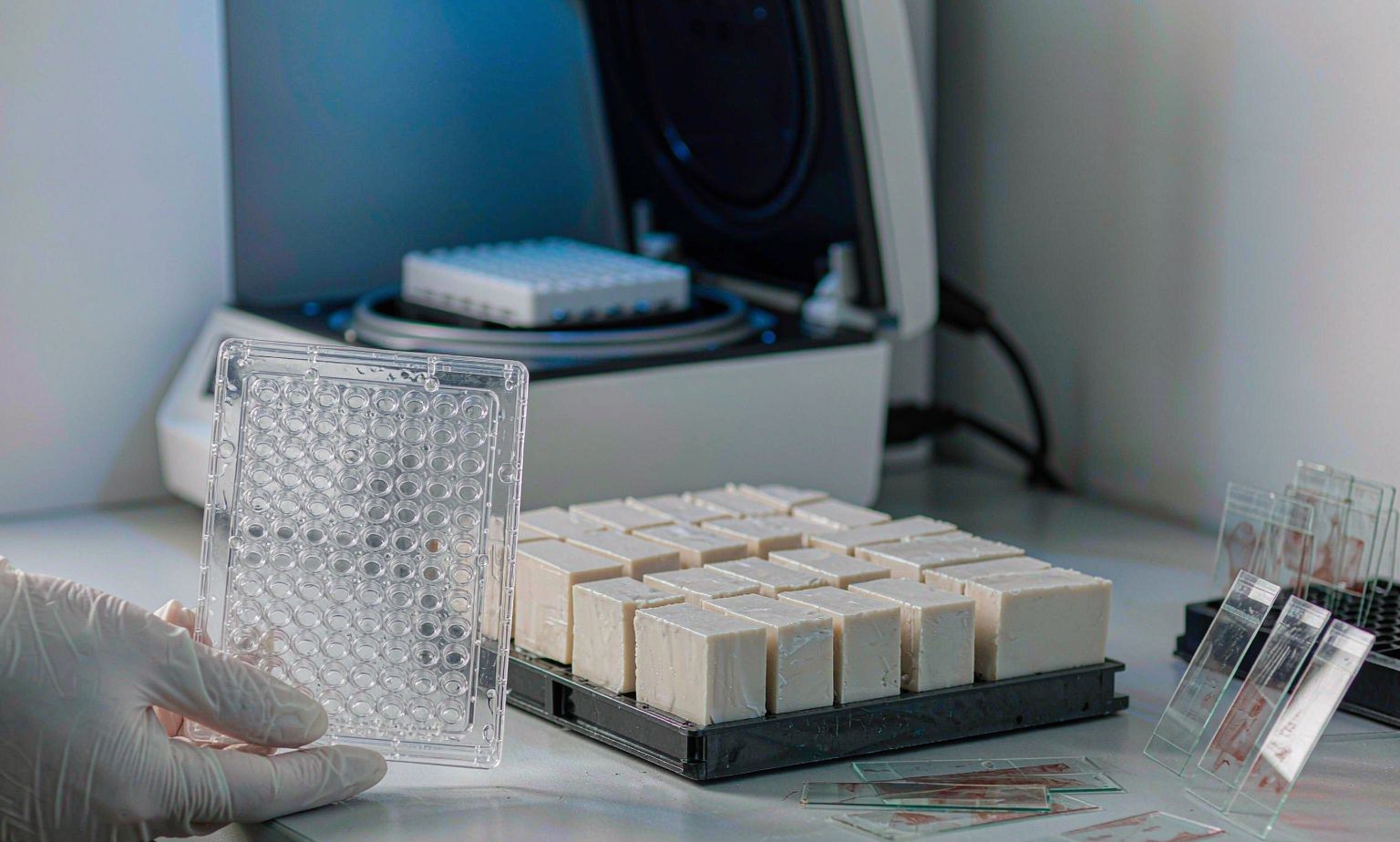
Molecular pathology workbench with paraffin-embedded tumour tissue blocks, stained glass slides and a real-time PCR instrument used for EGFR mutation testing in non-small cell lung cancer tissue

EGFR Mutation PCR Panel: Seven-Reaction ARMS Real-Time PCR Genotyping of Exons 18–21 in Tumour Tissue to Guide First-Line TKI Selection and Resistance Testing in Non-Small Cell Lung Cancer HONG KONG, China — September 29, 2026 — Red Sun Medizone today announced the availability of a CE-marked in vitro diagnostic (IVD) real-time PCR kit for the detection of the most prevalent EGFR gene mutations in exons 18, 19, 20 and 21 in tumour tissue. The kit is intended to select patients with non-small cell lung cancer (NSCLC) for whom EGFR tyrosine kinase inhibitor (TKI) therapy is indicated. Seven mutation-specific reactions — G719X, S768I, T790M, L858R, L861Q, DEL19 and INS20 — are read from a single 8-tube strip per specimen, in one laboratory day, on a standard real-time PCR platform with no sequencing queue and no new capital equipment. Key facts at a glance Analytes: seven mutation classes across EGFR exons 18–21 — G719X (exon 18); DEL19 (exon 19); S768I, T790M and INS20 (exon 20); L858R and L861Q (exon 21) Specimen: tumour tissue — fresh preferred, then frozen, then formalin-fixed paraffin-embedded (FFPE) Chemistry: ARMS allele-specific PCR with TaqMan hydrolysis probes and HotStart Taq DNA polymerase Detection channels: FAM (mutation and external-standard signal); HEX or VIC (internal control) Reporting rule: ΔCt = [mutation Ct] − [external-standard Ct]; positive when the amplification curve is S-shaped and ΔCt is at or below the assay-specific cut-off (8 or 10) Limit of detection: 1% mutant allele in a wild-type background Repeatability: Ct coefficient of variation ≤ 5% across ten parallel replicates at 1% and at 50% mutation concentration Agreement: 100% positive agreement across the covered mutation references; 100% negative agreement against wild-type human geno

Read More
September 29, 2026

CDO1 and HOXA9 Dual-Gene Methylation Testing for Ovarian Cancer: CE-Marked Blood-Based Assay Delivers High Sensitivity and Specificity for Early Detection, Pelvic Mass Triage and Post-Treatment Surveillance

Share this article
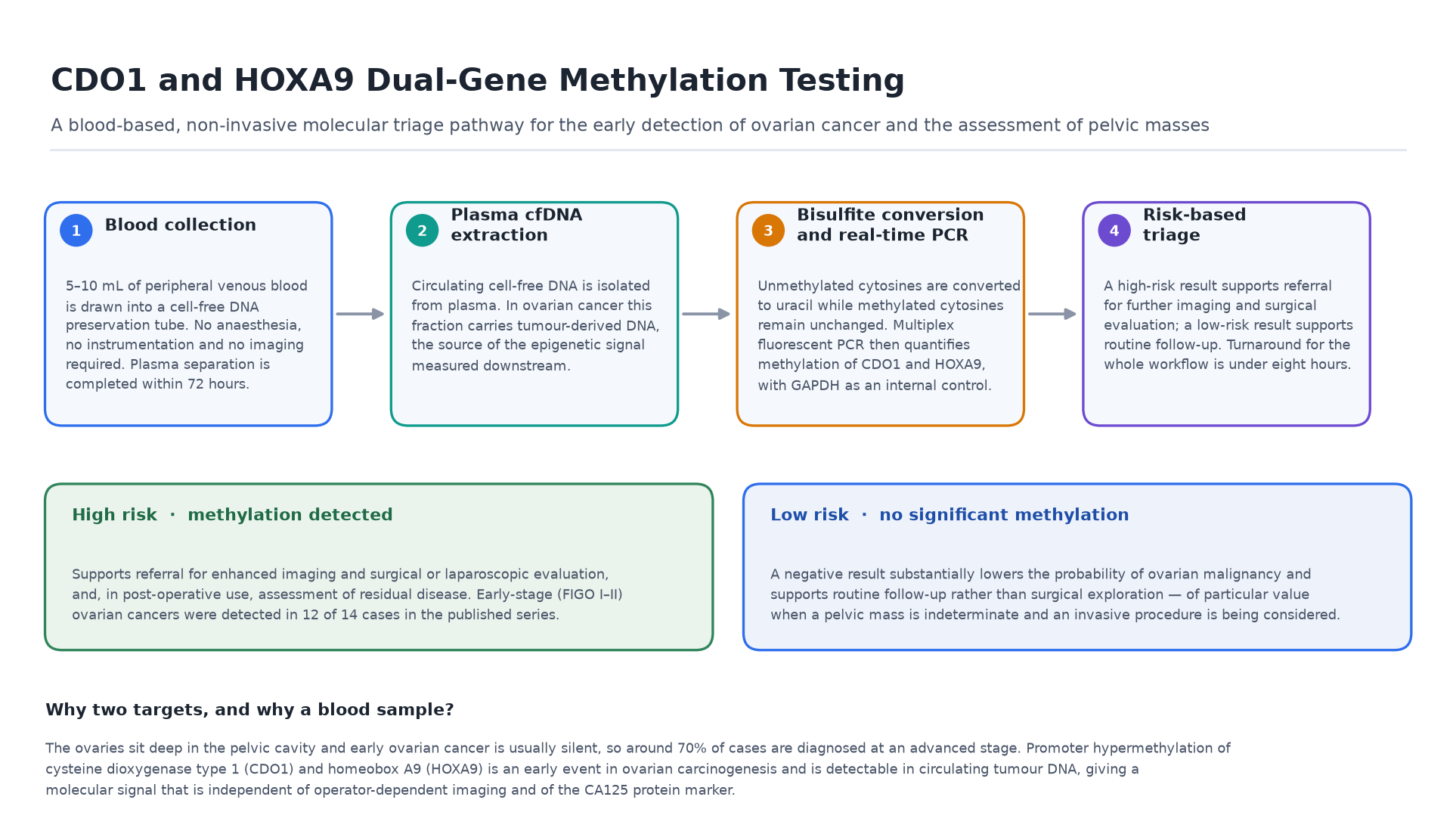
Infographic showing the four-step CDO1 and HOXA9 dual-gene methylation testing workflow for ovarian cancer: peripheral blood collection into a cell-free DNA preservation tube, plasma cfDNA extraction, bisulfite conversion with multiplex real-time PCR quantification of CDO1 and HOXA9 methylation using GAPDH as internal control, and a risk-based triage decision supporting referral for imaging and surgery or routine follow-up

CDO1 and HOXA9 Dual-Gene Methylation Testing for Ovarian Cancer: CE-Marked Blood-Based Assay Delivers High Sensitivity and Specificity for Early Detection, Pelvic Mass Triage and Post-Treatment Surveillance Subtitle: The first CE-marked and clinically registered commercial real-time PCR kit that detects ovarian cancer through CDO1 and HOXA9 promoter methylation in plasma cell-free DNA — a non-invasive alternative to imaging and CA125 that detected 12 of 14 early-stage ovarian cancers in published clinical data. Summary — Ovarian cancer kills more women than any other gynaecological malignancy, largely because it is diagnosed late: the ovaries sit deep in the pelvic cavity, early symptoms are non-specific, and around 70% of cases are already advanced at presentation. A blood-based DNA methylation assay that measures two gene targets — CDO1 (cysteine dioxygenase type 1) and HOXA9 (homeobox A9) — in plasma circulating cell-free DNA is now commercially available as a CE-marked in vitro diagnostic kit, and is the first ovarian cancer methylation detection product to hold Class III in vitro diagnostic registration. Across a case–control cohort of 151 women and a prospective cohort of 141 women at a tertiary referral centre, the assay achieved sensitivity of 87.8%–89.7% and specificity of 90.2%–97.5% for ovarian cancer, with an area under the curve of 0.936 — outperforming transvaginal ultrasound, CA125 and the ROMA index in the same populations, and detecting 12 of 14 early-stage (FIGO I–II) cancers. Key takeaways A blood test, not an imaging examination. The assay runs on 5–10 mL of peripheral venous blood. No anaesthesia, no instrumentation and no operator-dependent ultrasound interpretation is required, an

Read More
September 29, 2026

Four Circular RNA Targets in One RT-PCR Panel for Major Depressive Disorder: circATF7IP, circDYM, circPARN and circZBTB25 in Plasma and Saliva

Share this article
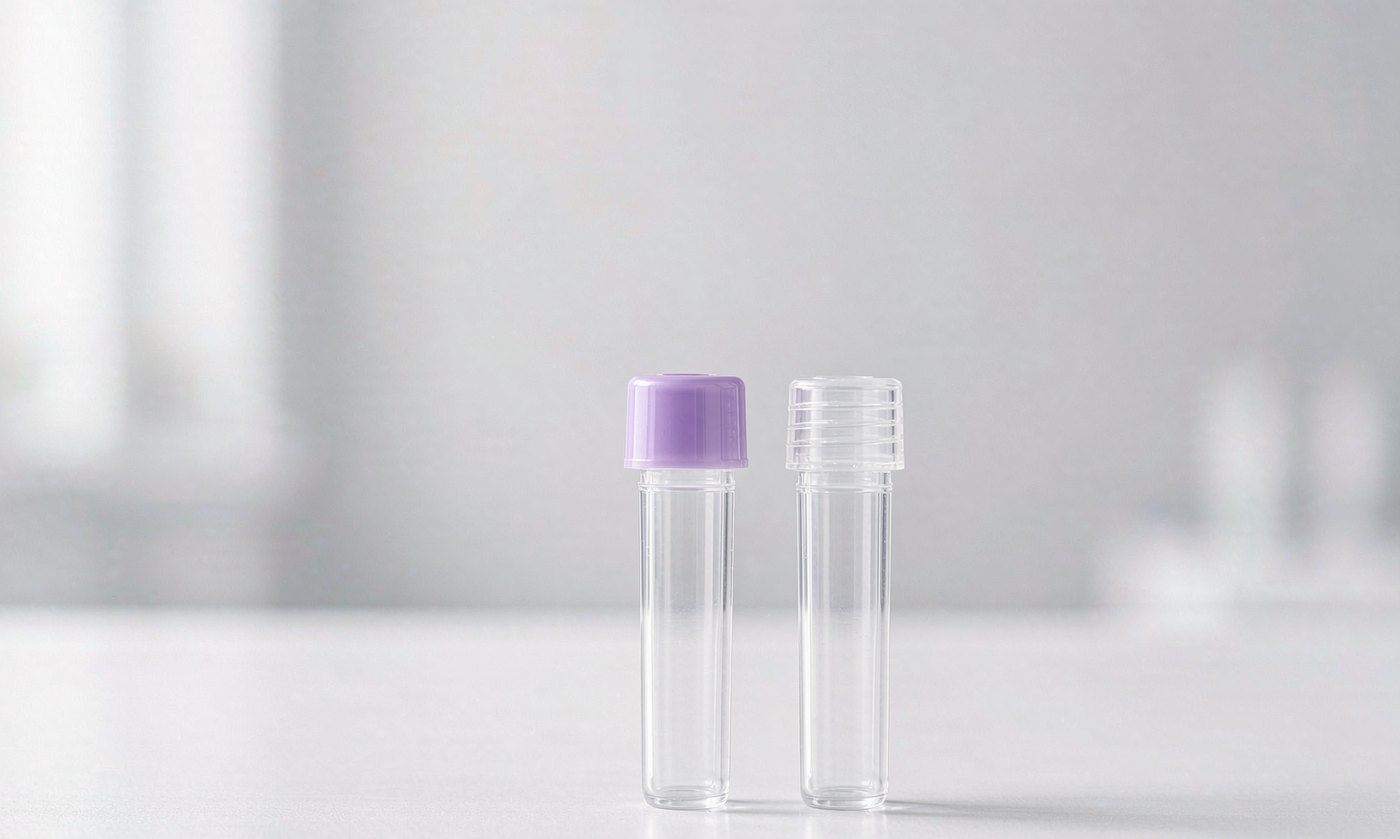
A blood collection tube with a lavender EDTA cap standing beside a clear saliva collection tube on a white laboratory surface, illustrating the two non-invasive specimen types accepted by the four-target circular RNA RT-PCR panel for major depressive disorder

Four Circular RNA Targets in One RT-PCR Panel for Major Depressive Disorder: circATF7IP, circDYM, circPARN and circZBTB25 in Plasma and Saliva Summary — Major depressive disorder is currently diagnosed by clinical interview and rating scale, which means that two people with the same HAMD-24 score can be in entirely different biological states, and neither the patient nor the clinician can see which one they are in. A real-time fluorescent RT-PCR assay that quantifies four circular RNA transcripts — circATF7IP, circDYM, circPARN and circZBTB25 — in plasma or saliva is an attempt to put a measurable number underneath that conversation. Circular RNA is unusually well suited to the task: it is covalently closed, resistant to exonuclease degradation, highly enriched in neural tissue, and stable enough to be read from a peripheral blood or saliva sample. Two of the four targets already have peer-reviewed support in the depressive-disorder literature, one being reported as elevated and one as reduced in the blood of people with MDD; for the remaining two, no PubMed-indexed report of a depression association was retrievable at the time of writing, and that gap is stated plainly in this article rather than glossed over. Against a DSM-5-based clinical reference standard across two multi-centre cohorts totalling 753 valid samples, the developer's clinical dossier records positive agreement of 99.8%, negative agreement of 87.1% and total agreement of 94.0%, with a pooled Kappa consistency coefficient of 0.878; those figures come from the developer's own dossier and are not independently peer reviewed. The workflow needs no new sampling procedure, no tissue biopsy and no purpose-built instrument: a standard real-time PCR platform carrying FAM, ROX and Cy5 channels

Read More
September 29, 2026

Red Sun Medizone Launches CE-Marked Methylated SEPT9 DNA Blood Test for Colorectal Cancer Screening and Pre-Colonoscopy Triage in Adults Who Decline Colonoscopy

Share this article
Blood collection tube for a plasma-based methylated SEPT9 DNA colorectal cancer screening test, held in a gloved hand in a clinical laboratory with plasma sample tubes in the background

Methylated SEPT9 DNA Blood Test: A Plasma-Based Real-Time PCR Assay for Colorectal Cancer Screening and Pre-Colonoscopy Triage in Adults Who Do Not Complete Colonoscopy or Stool Testing HONG KONG, China — September 29, 2026 — Red Sun Medizone today announced the availability of a CE-marked in vitro diagnostic (IVD) real-time PCR kit that detects methylated SEPT9 DNA in plasma — a circulating tumour-derived methylation marker for colorectal cancer. The kit is intended for colorectal cancer blood screening and pre-colonoscopy triage in adults who are eligible for colorectal screening but have not completed, or will not complete, colonoscopy or stool-based testing. It requires a single 10 mL blood draw, reports a result in approximately six hours, and runs on the standard real-time PCR instruments already installed in most molecular laboratories. Key facts at a glance Analyte: methylated human SEPT9 DNA, reported qualitatively Specimen: 10 mL whole blood; plasma separated within 2 hours of collection Method: circulating cell-free DNA extraction, bisulfite conversion, then methylation-specific multiplex real-time PCR Detection channels: SEPT9 (FAM) and internal control ACTB (CY5), read in a single reaction Result logic: SEPT9 Ct below 35 with ACTB Ct below 35 reports positive; ACTB Ct of 35 or above marks the specimen invalid Limit of detection: 30 pg/mL detected in 20 of 20 replicates Precision: Ct coefficient of variation 1.68%–2.59% (3 lots, 20 days, twice daily) Turnaround time: approximately 6 hours, with roughly 2 hours of hands-on work in a manual workflow Instrumentation: any real-time PCR platform with FAM and CY5 detection channels Regulatory status: CE-marked IVD under Directive 98/79/EC (Annex III) Kit configurations: 20, 50 or 100 tests, in liquid or lyop

Read More
September 29, 2026

CDO1 and CELF4 Dual-Gene Methylation Testing for Endometrial Cancer: Prospective Evidence Demonstrates High Sensitivity and Specificity in Women with Abnormal Uterine Bleeding, Postmenopausal Bleeding and Suspected Endometrial Lesions

Share this article
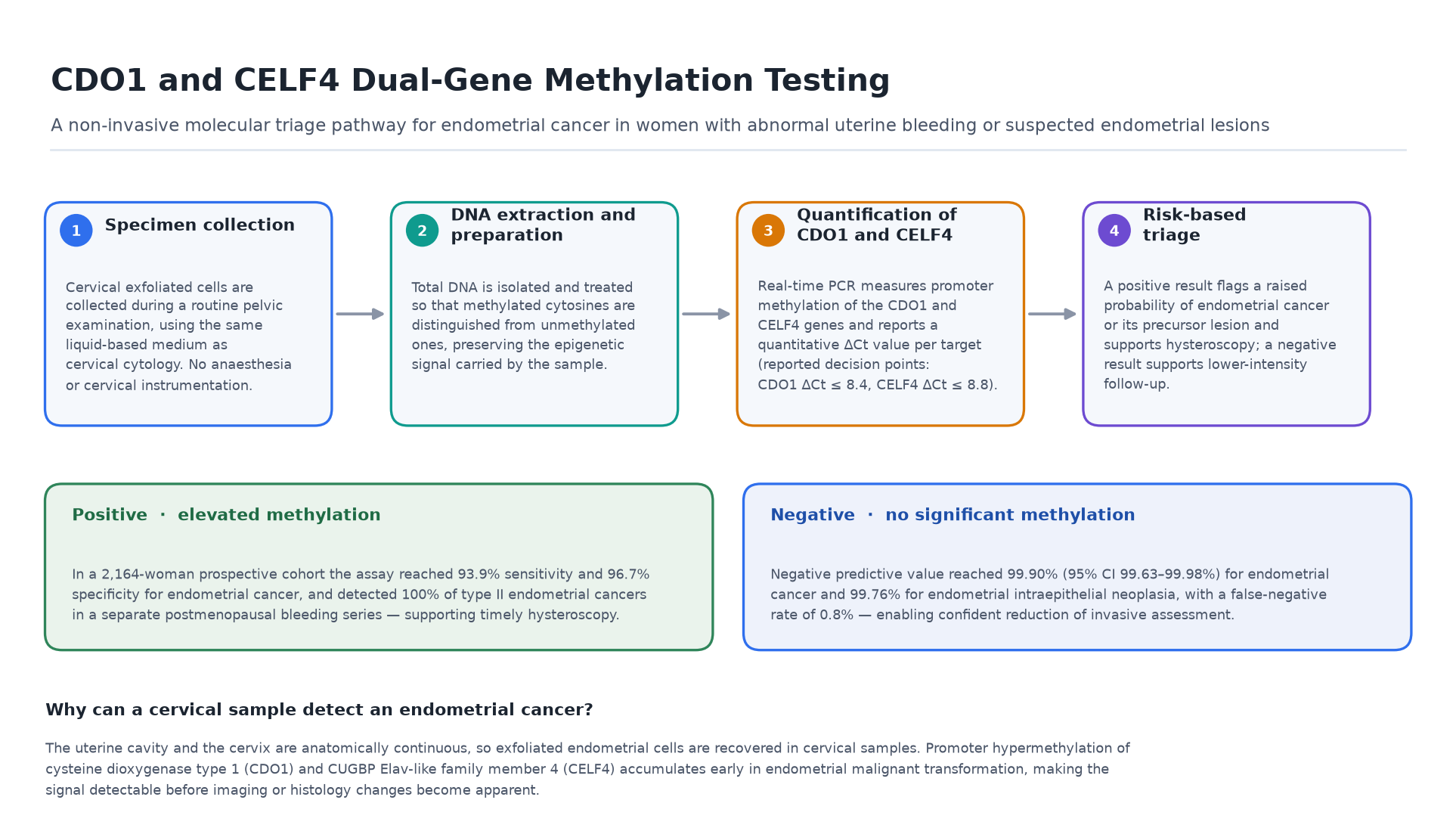
Infographic showing the four-step CDO1 and CELF4 dual-gene methylation testing workflow for endometrial cancer triage: cervical exfoliated cell collection during a routine pelvic examination, DNA extraction and preparation, real-time PCR quantification of CDO1 and CELF4 promoter methylation with delta Ct decision points, and a risk-based triage decision supporting hysteroscopy referral or lower-intensity follow-up

CDO1 and CELF4 Dual-Gene Methylation Testing: A Non-Invasive Triage Pathway for Endometrial Cancer Summary — Endometrial cancer is the only gynaecological malignancy whose incidence is still rising worldwide, yet no non-invasive test is recommended for its detection in routine clinical practice; diagnosis still depends on hysteroscopy, dilatation and curettage, or endometrial biopsy. A DNA methylation assay that measures two gene targets — CDO1 (cysteine dioxygenase type 1) and CELF4 (CUGBP Elav-like family member 4) — in cervical exfoliated cells is changing that picture. Across ten independent cohorts published between 2017 and 2026, including a 2,164-woman prospective series and a 675-woman prospective study in Hong Kong, CDO1 and CELF4 methylation testing has delivered sensitivity of roughly 84%–94% and specificity of roughly 87%–99% for endometrial cancer, with negative predictive values approaching 99.9%. The test requires only the same cervical sample already collected for cytology, and it outperforms transvaginal ultrasound and serum CA125 in the same populations. Key takeaways No new sampling procedure. The assay runs on cervical exfoliated cells collected with a routine liquid-based cytology sample — the uterine cavity and cervix are anatomically continuous, so exfoliated endometrial cells are recovered from the cervix. High specificity is the decisive advantage. Reported specificity reaches 96.7%–98.8%, against 45%–75% for transvaginal ultrasound and cytology combinations, which is what allows invasive assessment to be avoided. Very high negative predictive value. In the largest prospective cohort, NPV was 99.90% (95% CI 99.63–99.98%) for endometrial cancer and 99.76% for endometrial intraepithelial

Read More
September 29, 2026

Red Sun Medizone Launches CE-Marked SHOX2 and RASSF1A DNA Methylation PCR Kit for the Molecular Triage of Indeterminate Lung Lesions in Bronchoalveolar Lavage Fluid

Share this article
Real-time PCR thermal cycler with reagent tubes and sample rack on a molecular diagnostics laboratory bench used for SHOX2 and RASSF1A DNA methylation testing of bronchoalveolar lavage fluid

SHOX2 and RASSF1A DNA Methylation PCR: A Quantitative Molecular Test for the Differential Diagnosis of Indeterminate Lung Lesions in Bronchoalveolar Lavage Fluid HONG KONG, China — September 29, 2026 — Red Sun Medizone today announced the availability of a CE-marked in vitro diagnostic (IVD) real-time PCR kit that quantifies the DNA methylation of two cancer-associated genes — SHOX2 (short stature homeobox 2) and RASSF1A (Ras association domain family 1, isoform A) — in bronchoalveolar lavage fluid (BALF), bronchial aspirate and brush eluate. The kit is intended to aid the differential diagnosis of benign versus malignant lung lesions in patients whose imaging, cytology or bronchoscopy result remains indeterminate. It reports a result in approximately six hours on the standard real-time PCR instruments already installed in most molecular laboratories, and requires no additional specimen collection in most cases. Key facts at a glance Analytes: methylated human SHOX2 and RASSF1A DNA, reported qualitatively Specimen: bronchoalveolar lavage fluid (BALF), bronchial aspirate, brush eluate Method: bisulfite conversion followed by multiplex real-time PCR with hydrolysis (TaqMan) probes and HotStart Taq polymerase Detection channels: RASSF1A (FAM), SHOX2 (VIC/HEX), internal control ACTB (CY5) — three channels read in a single tube Limit of detection: ≤ 250 copies per test Repeatability: Ct coefficient of variation ≤ 5% Turnaround time: approximately 6 hours from specimen to reported result Instrumentation: any real-time PCR platform with FAM, VIC/HEX and CY5 channels, including Roche LightCycler 480 and Applied Biosystems 7500 Regulatory status: CE-marked IVD under Directive 98/79/EC (Annex III); registered with China's National Medical Products Administration (NMPA) Kit

Read More