Industry commentary — August 2026
The world's first dedicated surgical-bed factory opened in Heidelberg, Germany in 1838, founded by the surgeon Johann Friedrich Fischer. The earliest preserved example is a wooden frame with mechanical articulations. A century and a half later, the same device category ships as a battery-backed, electro-hydraulically actuated, carbon-fiber imaging-transparent platform with wireless remote control and C-arm–compatible table sections.
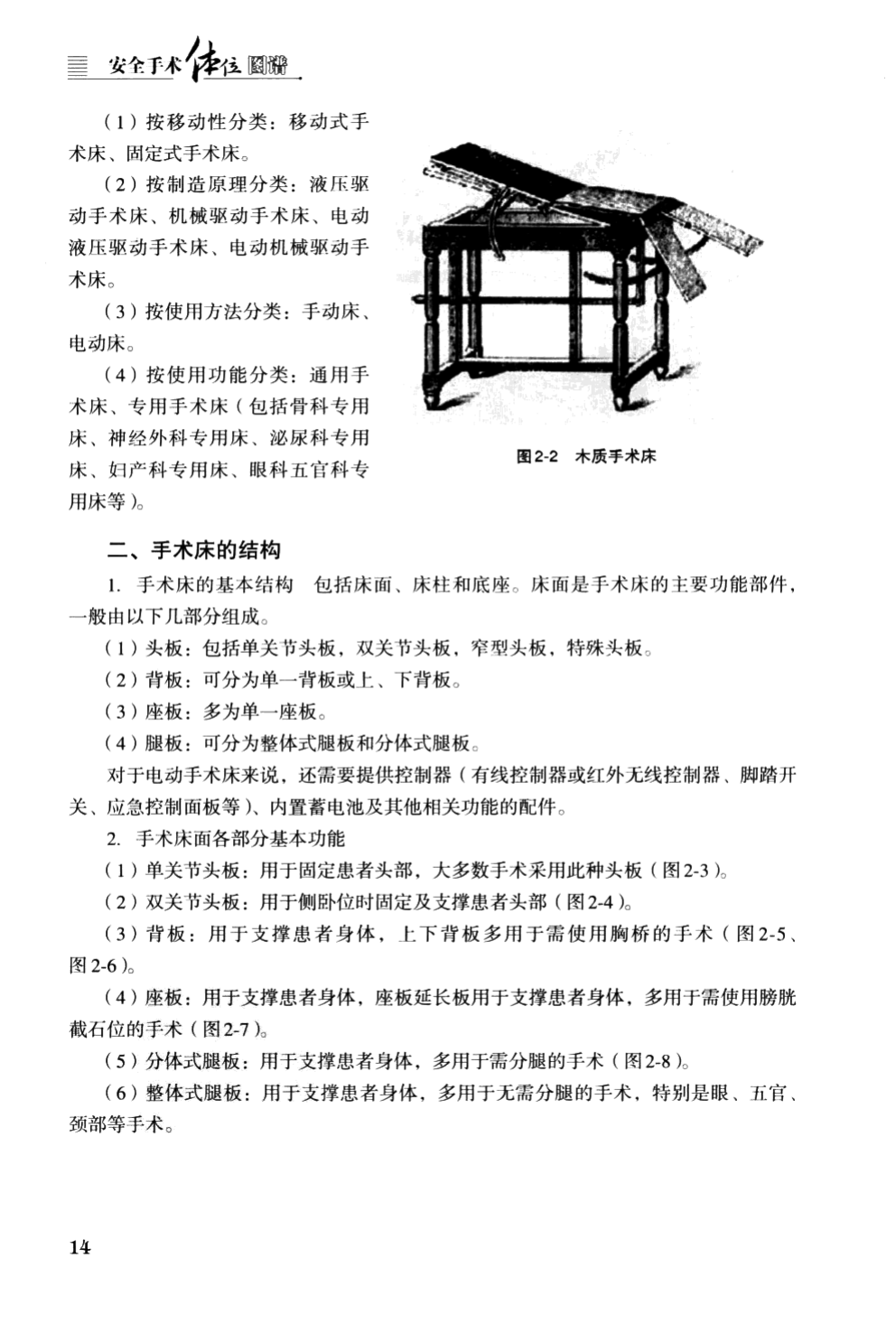
The earliest preserved wooden surgical bed and the modern classification scheme.
Anatomy of a modern surgical table
Every modern OR table is built from the same modular vocabulary: the head section (single-joint, double-joint, or narrow), the back section (single plate or upper/lower split), the seat section, and the leg section (split legs or integral plate). Each section articulates independently on battery-backed actuators that survive a mains failure long enough to return the table to a level, safe position.
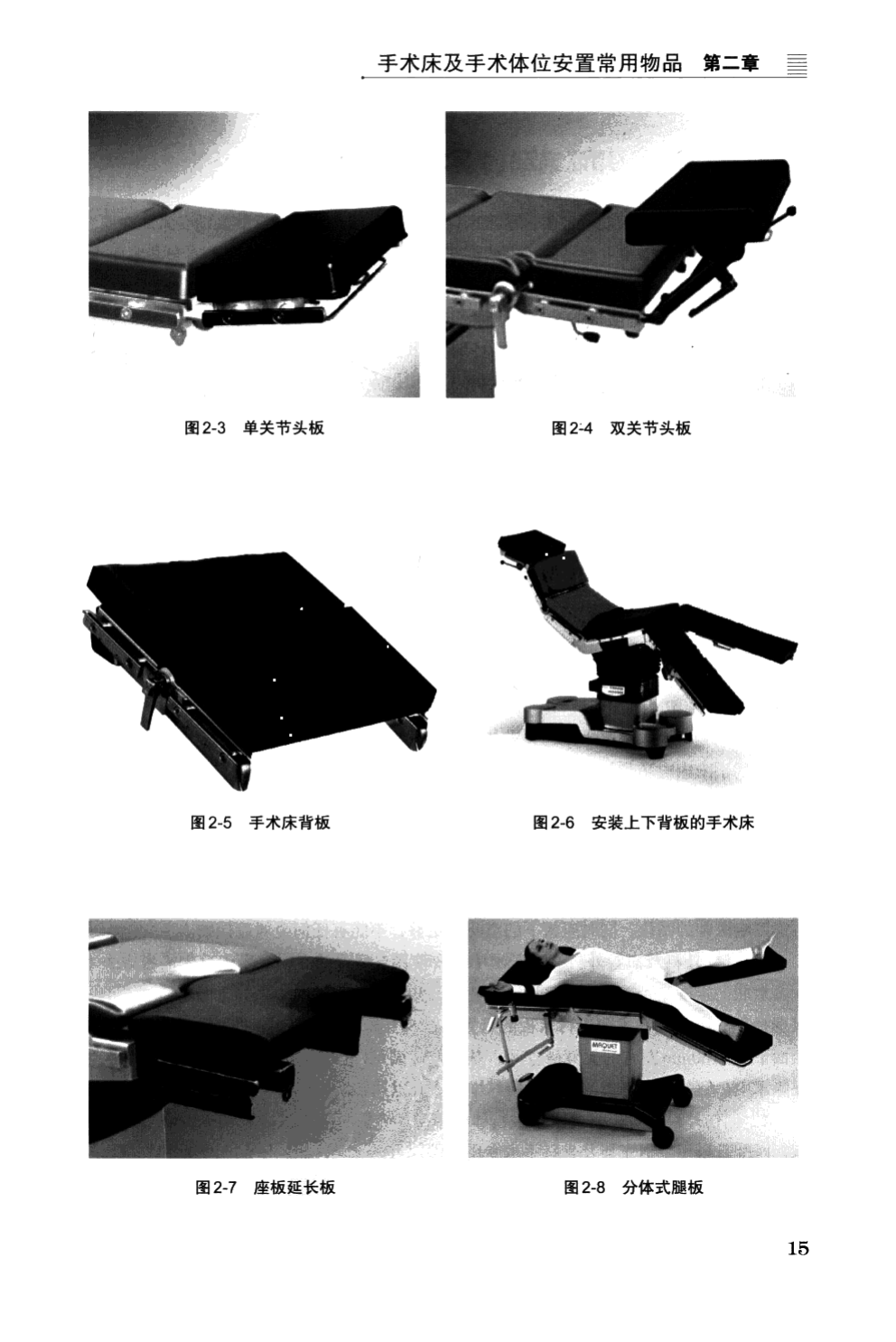
Modular components: single and double head sections, back plate, seat extension, split and integral leg plates.
Specialty-driven configurations
Neurosurgery and ophthalmology need a low minimum table height, a narrow head section, and skull-clamp compatibility. Urology and OB/GYN need split leg sections and stirrup-compatible side rails. Spinal surgery needs a C-arm–transparent tabletop and prone-frame compatibility. Orthopedic trauma needs traction-frame–compatible rails and a table that tolerates a perineal post.
The pressure-relief accessory ecosystem
The table does not protect the patient on its own. Three pad families dominate: cotton/gauze (light, minimal pressure reduction), silicone gel (anatomically shaped, durable), and viscoelastic memory foam (self-shaping, premium). Modern ORs increasingly standardize on gel-based modular systems sized to each pressure point, paired with a full-length table overlay.
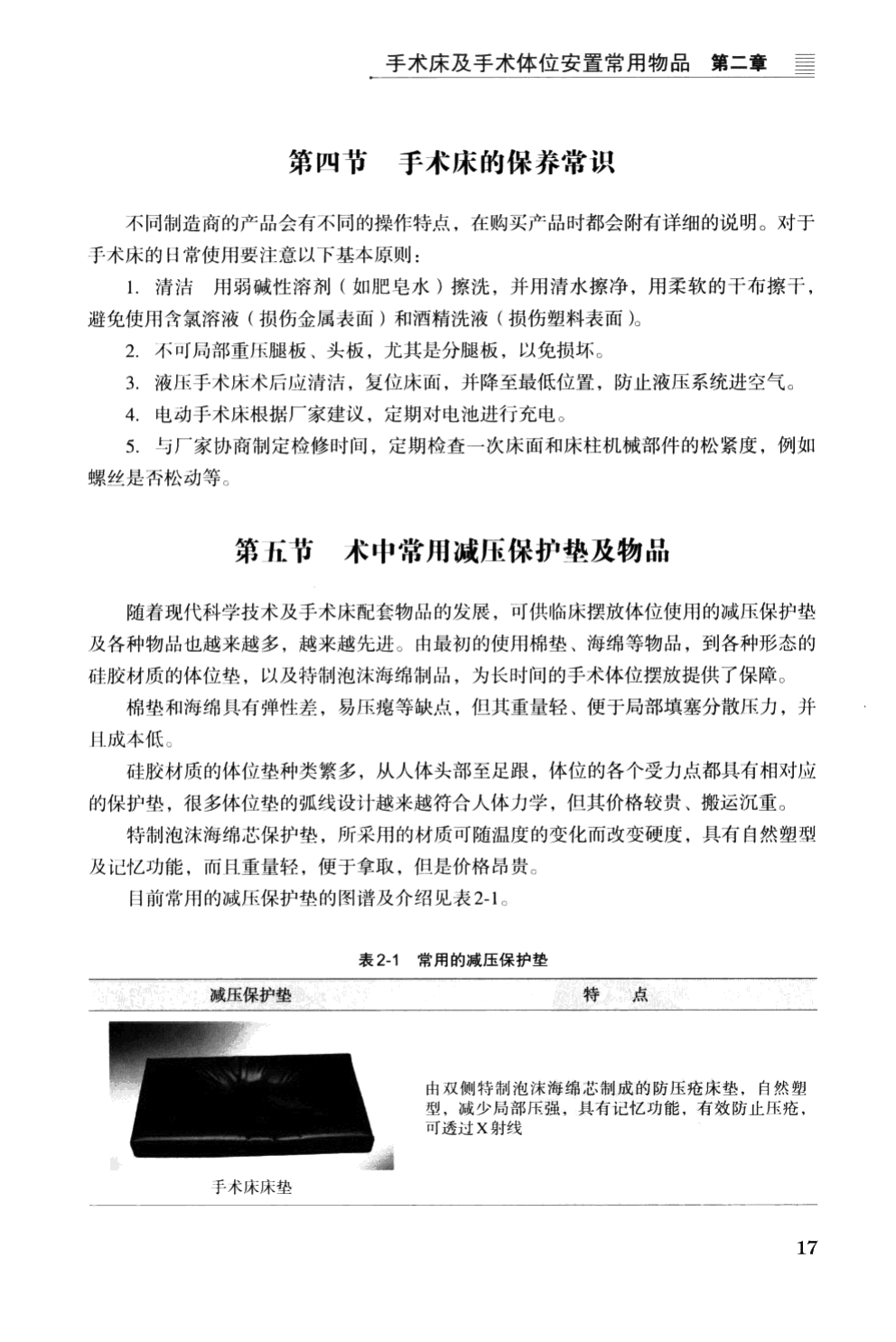
Pressure-relief pad families: cotton, silicone gel, and viscoelastic memory foam.
FAQ
Why is carbon fiber used in surgical tables? Carbon-fiber composites are radiolucent, so the table does not show up on intraoperative fluoroscopy; they are also lighter and stronger than stainless steel.
For more information about Red Sun Medizone surgical positioning systems and other operating-room equipment, please visit www.redsunmedizone.com or contact our sales team.
About Red Sun Medizone: Red Sun Medizone (Tianjin Huahong Technology Co., Ltd.) is a medical device manufacturer and exporter specializing in operating tables, surgical position pads, surgical lights, patient monitors, and in-vitro diagnostics. With CE, ISO 13485, and FDA certifications, the company serves healthcare facilities in over 60 countries worldwide.